Beach Hair Don't Care: A Designer's Embroidery Review
As someone who has spent years navigating the fine line between a fun digital download and a professional finished product, I approach every new design with a critical eye. When I first pulled up Beach Hair Don't Care, I wasn't just looking for a cute summer graphic; I was evaluating its potential as a viable asset for my craft business and client work. The phrase itself is a staple of beach culture, but translating that laid-back vibe into a high-quality machine embroidery design requires careful consideration of stitch structure, fabric interaction, and overall visual impact.
The First Impression: Mood and Visual Personality
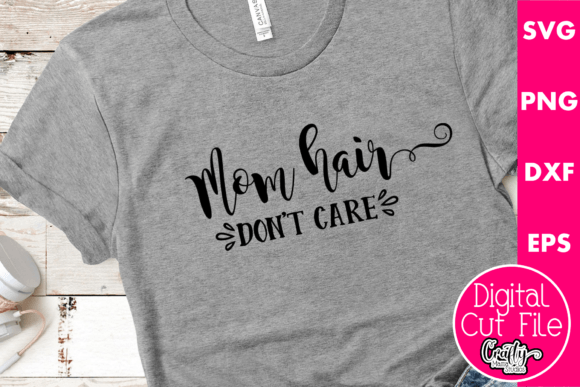
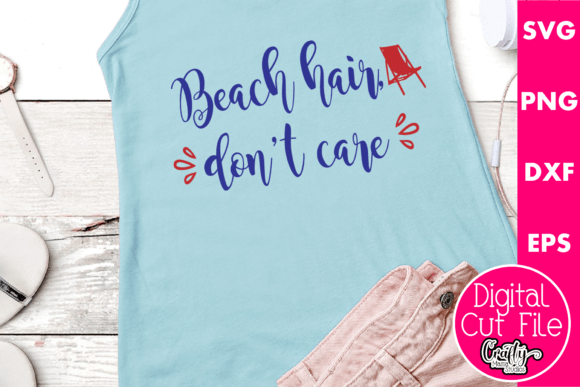
The initial view of this design immediately signals a relaxed, playful energy. It fits perfectly within the category of T-Shirt Designs and general Graphics intended to bring personality to apparel. However, for an embroiderer, the mood is only half the battle. The layout needs to hold up under magnification when stitched. In this case, the typography appears bold enough to maintain legibility even when rendered in dense fill stitches, which is crucial for preventing thread breakage or puckering on softer fabrics.
When considering how this translates from a screen to a hoop, the shape of the lettering suggests it would work exceptionally well with a combination of satin and fill stitches. The curves in the text offer natural opportunities for smooth satin edges, while the interior spaces are large enough to accommodate standard fill patterns without becoming too dense. This balance is what separates a good design from one that frustrates your machine and ruins your fabric.
A Real-World Scenario: The Custom Tote Bag Project
To truly test the viability of Beach Hair Don't Care, let's imagine a specific project: creating a limited run of custom tote bags for a local boutique. These aren't just simple cotton sacks; they are premium canvas bags intended for summer events and beach days. The goal is to create a handmade product that feels durable yet stylish.
In this scenario, the design serves as the focal point. I envision placing the embroidery slightly off-center on the front panel. Because canvas is a sturdy, textured fabric, the design needs to pop without overwhelming the material. The bold nature of the quote ensures that even with the natural weave of the canvas showing through the stitches, the message remains clear. Customers buying these bags want something that says "fun" instantly. If the stitching is clean and the thread colors contrast well against the beige or white canvas, the perceived value of the bag skyrockets. It transforms a generic accessory into a personalized gift or a standout piece of small shop merchandise.
Navigating Fabric Challenges and Stitch Density
While the design looks promising, applying Beach Hair Don't Care to different materials requires strategic planning. Not all fabrics behave the same way under the needle. For instance, if you decide to use this design for sweatshirt embroidery, the texture of the fleece can be tricky. You will need a heavier stabilizer to prevent the fabric from bunching up during the stitching process. The density of the fill stitches must be managed carefully; too much density on a thick hoodie can lead to stiffness, making the garment uncomfortable to wear.
Conversely, using this design on thin or stretchy fabrics like jersey t-shirts demands precision. Without the proper tear-away or cut-away stabilizer, the tension of the running stitch could distort the neckline or cause the fabric to pucker around the letters. I always recommend testing the design on a scrap piece of the actual fabric first. This allows you to adjust the stitch density and verify that the thread colors provide sufficient contrast. Dark fabrics, in particular, require more coverage to ensure the white or light-colored thread stands out clearly, which might necessitate a backing layer or a specific underlay pattern.
Critical Considerations for Specific Applications
- Small Hoop Sizes: While the design is versatile, shrinking it down for a cap or a baby item can compromise legibility. Tiny lettering often loses definition when embroidered, leading to a muddy appearance. Always check the minimum recommended size before scaling down.
- Textured Fabrics: On items like pillow covers or kitchen towels, the texture can interfere with the smoothness of the satin stitch. Ensure your machine tension is calibrated to handle the fabric weave without skipping stitches.
- Curved Surfaces: Embroidering on caps requires a specialized hoop and a design specifically mapped for curvature. Even though Beach Hair Don't Care is a strong graphic, forcing it onto a curved surface without adjustment can result in distorted text.
- Frequent Washing: For items like aprons or tea towels that see heavy use, the durability of the thread and the tightness of the stitch count become paramount. Loose threads can unravel quickly, ruining the finished product.
Commercial Viability and Brand Consistency
For Etsy sellers and creative entrepreneurs, the choice of design assets directly impacts brand consistency. Beach Hair Don't Care offers a recognizable theme that appeals to a wide audience, particularly during the spring and summer seasons. However, to build customer trust, the execution must be flawless. A sloppy stitch job on a popular quote can damage your reputation faster than a slow-selling design.
When preparing digital mockups for your online store, ensure you represent the design accurately. Show how it looks on both light and dark backgrounds so customers understand the color options. Use printable mockups to visualize the scale on various products, from baby clothes to adult hoodies. Remember that a professional presentation increases buyer engagement and makes the item feel like a premium, personalized gift rather than a mass-produced commodity.
Practical Notes for the Professional Designer
Before committing to a production run or selling finished items, there are several practical steps you should take. First, confirm the licensing terms. Just because you have purchased the digital file does not automatically grant you commercial rights to sell the physical goods or the file itself. Read the license agreement carefully to avoid legal issues.
Second, perform a test run. Load the embroidery file into your machine and stitch it out on a scrap piece of the intended fabric. Inspect the small details closely. Are the corners sharp? Is the fill solid? Does the thread color match your vision? If you are planning to use this as an applique design, ensure the edges are clean and the attachment points are secure.
Finally, consider the versatility of the design. Can it be adapted for holiday embroidery or used as part of a larger collection? A design that works for a single season might be less valuable than one that can be tweaked for year-round appeal. By taking the time to evaluate Beach Hair Don't Care thoroughly, you ensure that your final output meets the high standards expected by your clients and customers.
In conclusion, this design holds significant potential for those willing to put in the technical effort. It captures the right spirit for summer projects, but its success lies in the hands of the designer who understands how to manage stitch density, stabilize the fabric, and choose the right thread colors. With proper preparation, Beach Hair Don't Care can become a staple in your portfolio of custom apparel and handmade gifts.