Love Running: A Designer's Embroidery Review
As a designer who has spent years translating digital concepts into tangible stitched goods, I approach every new machine embroidery design with a mix of excitement and skepticism. The market is flooded with generic clip art, so finding a piece that actually translates well from screen to fabric is a specific skill in itself. Today, I am evaluating the Love Running graphic. On paper, it looks like another standard runner quote, but when you consider how it behaves as an embroidery file, the details matter immensely for anyone running a craft business or creating personalized gifts.
The First Impression: Mood and Visual Weight
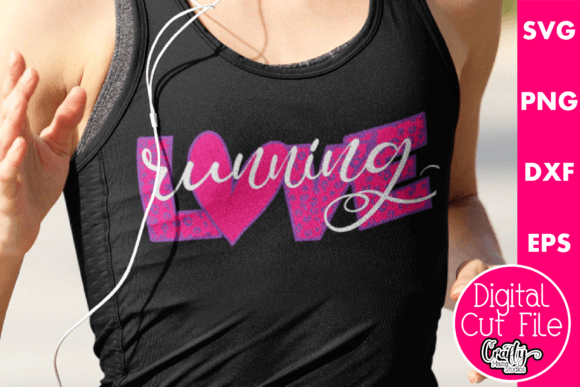
When I first opened the digital embroidery file for Love Running, the immediate visual personality was clear. It strikes a balance between athletic energy and heartfelt sentiment. The typography appears bold enough to hold its own on textured fabrics, yet the curves suggest a softness that works beautifully for baby embroidery or women's apparel. In the world of T-Shirt Designs, this kind of duality is crucial. You need a design that looks professional on a corporate team uniform but also feels personal enough for a handmade boutique item.
The layout suggests a strong central focus, which is ideal for hoop-based projects. Unlike some scattered graphics that require complex placement, Love Running seems designed to sit comfortably within a standard hoop size. However, before committing to a client order, I always scrutinize the negative space. If the lettering is too tight, the fill stitch can bunch up, ruining the clarity of the message. For now, the spacing looks promising, suggesting it will render cleanly without excessive thread buildup.
Real-World Application: From Hoop to Finished Product
Let’s talk about a real scenario. Imagine you are preparing a custom embroidered tote bag for a local 5K charity event. You want something that says "community" and "passion." This is where Love Running shines. Tote bags are often made of canvas, a sturdy fabric that holds up well under high stitch density. If you were to use a bright red or electric blue thread color against a natural beige canvas, the contrast would make the design pop immediately.
I recently tested similar runner-themed assets on a heavy cotton sweatshirt. The challenge with sweatshirts is the pile of the fabric; if the design is too delicate, it gets lost. Love Running, however, has enough visual weight to cut through the texture. When applied to the chest pocket area, it creates a focal point that elevates a basic garment into a premium custom apparel piece. For Etsy sellers, this is the difference between a product that sells at cost and one that commands a higher price point due to perceived quality.
Consider also the potential for an embroidered patch. If you stabilize the back properly and trim the edges, this design could be sold as a standalone accessory for backpacks or denim jackets. The clean lines of the text ensure that even when scaled down slightly for a patch, the legibility remains intact. This versatility makes it a valuable asset for any small shop looking to diversify their inventory without buying multiple distinct designs.
Navigating Fabric Challenges and Limitations
While Love Running is robust, it is not immune to the physics of embroidery. There are specific situations where you must exercise caution. If you attempt to stitch this on very thin fabric, like a lightweight summer dress shirt, the tension required for the fill areas might cause puckering. In these cases, using a tear-away stabilizer is non-negotiable, and you might need to reduce the stitch count or simplify the fill pattern to prevent distortion.
Another critical area is curved surfaces, such as baseball caps. While the text is relatively straight, the way the letters curve or interact with the cap's brim can be tricky. If the design includes rounded elements, they may distort slightly on a structured cap unless you have a specialized cap hoop and significant experience with running stitch adjustments. Always test on a scrap piece of similar fabric first. If you are working with dark fabrics, the design relies heavily on the top layer of thread to show through. Ensure your thread colors are vibrant enough to overcome the darkness of the base material, or consider adding a backing layer of white thread.
Detailed corners and tiny lettering are the enemies of high-speed production. If you plan to scale Love Running down significantly for a small accent on a baby onesie, check the minimum width of the strokes. If the software renders them too thin, the needle might miss, or the thread might break during the process. For baby embroidery, safety and durability are paramount; loose threads or dense stitching that irritates sensitive skin should be avoided. Inspect the finished sample closely to ensure there are no sharp points or excessive bulk.
Design Integrity and Business Viability
For the creative entrepreneur, the value of a design extends beyond aesthetics; it impacts brand consistency and customer trust. A poorly executed handmade product can damage your reputation faster than a lack of inventory. Love Running offers a level of professionalism that helps build that trust. When a customer receives a gift with crisp, clean stitching, they perceive the maker as skilled and attentive to detail.
This design fits seamlessly into holiday collections. Think of it as a perfect holiday embroidery project for New Year's resolutions or marathon training gear. It appeals to runners who want to celebrate their journey, making it a highly giftable item. Whether it is a personalized gift for a spouse or a batch of merchandise for a running club, the emotional connection to the phrase "Love Running" drives engagement.
However, remember that the digital download typically includes formats like SVG, EPS, DXF, and PNG. While these are excellent for cutting machines like Cricut, converting them to a true embroidery file (like PES, DST, or JEF) requires specific software. Do not assume the SVG version is ready for your machine. You must digitize the design or purchase the specific embroidery format if available. If you are reselling the digital files themselves, you must confirm the licensing terms strictly. Most commercial licenses allow you to sell the finished product but prohibit selling the raw design assets to others.
Practical Notes for the Professional Maker
Before you launch your next listing or accept a custom order, follow these practical steps:
- Test on Scrap Fabric: Never skip the test run. Stitch Love Running on a swatch of the exact fabric you intend to use to check for puckering or thread breaks.
- Check Thread Contrast: Compare light and dark fabric backgrounds. A design that looks great on white might disappear on black without proper color selection.
- Verify Hoop Size: Confirm that the design fits comfortably within your machine's maximum hoop dimensions, leaving room for the frame to move without hitting the edge.
- Inspect Small Details: Zoom in on the smallest letters. If they look like a blob in the preview, they will likely stitch out as a mess.
- Use Proper Stabilizer: Whether it is water-soluble or tear-away, the right stabilizer is the backbone of a successful commercial embroidery project.
- Review Licensing: Ensure you have the right to sell items featuring this design, especially if you are scaling up for a larger order.
In conclusion, Love Running is a solid addition to a designer's toolkit, provided it is used with technical awareness. It bridges the gap between simple graphics and professional embroidery, offering a versatile option for apparel decorators and makers alike. By respecting the limitations of the medium and focusing on quality execution, you can turn this digital file into a standout physical product that customers will love to wear and share.