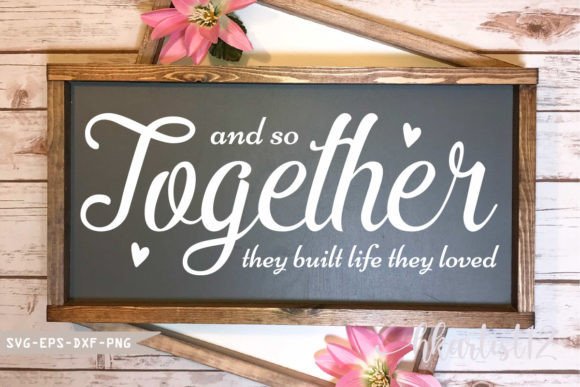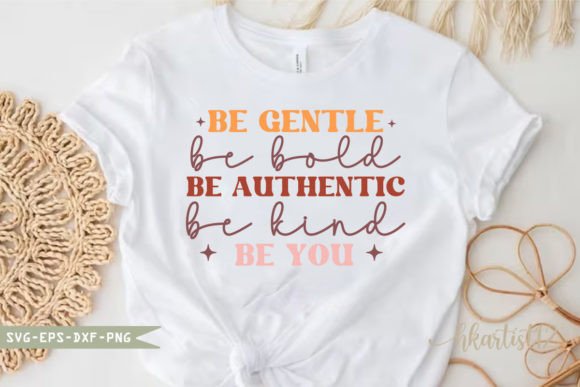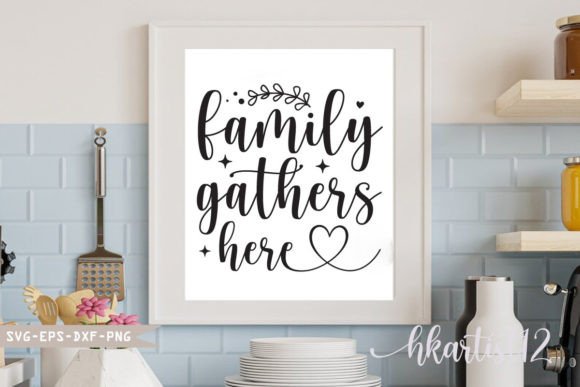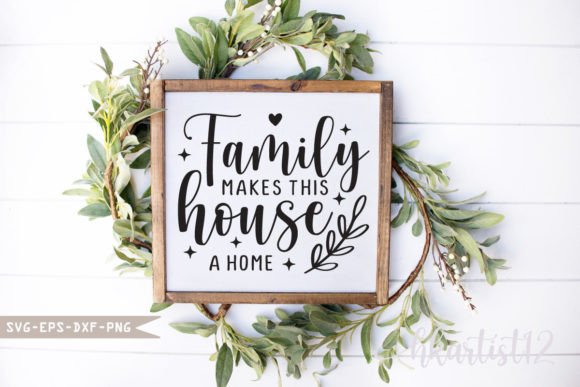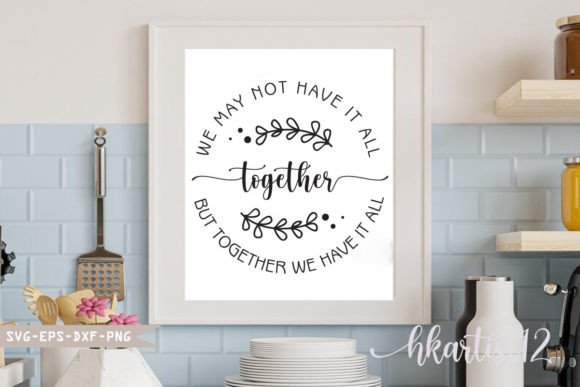
We May Not Have It All Together but Toge
As a designer who has spent years translating digital files into tangible thread, I approach every new asset with a critical eye. When I first opened the file for We May Not Have It All Together but Toge, my immediate reaction wasn't just about the aesthetic; it was about the emotional weight of the message and how that translates through the needle. In the world of custom apparel and handmade goods, a design is only as good as its ability to connect with the end user while surviving the rigors of the embroidery process. This particular quote hits a sweet spot of relatability and warmth, making it a strong contender for family-oriented projects, but it requires careful handling to ensure the final stitch count and density do justice to the sentiment.
The First Impression: Mood and Visual Personality
At its core, We May Not Have It All Together but Toge is a graphic that thrives on authenticity. The layout suggests a casual, perhaps slightly whimsical typography style, which is perfect for the modern crafter looking to move away from stiff, corporate-looking lettering. The visual personality here is inviting and imperfect in the best possible way. For an embroidery project, this means the design likely relies on a mix of fill stitches for body and running or satin stitches for definition. The challenge with this type of inspirational text is maintaining legibility without sacrificing the organic feel of the font. If the letters are too thin, they can disappear into the fabric texture; if they are too dense, they can pucker delicate materials.
When I visualize this as a tote bag design or a kitchen towel, the mood shifts from purely decorative to deeply personal. It speaks to the chaos of parenting or the struggle of balancing life, making it an ideal candidate for a personalized gift. The design does not scream for attention; instead, it whispers a shared truth. This subtlety is what makes it valuable for a small shop product line where customers are looking for connection rather than just a logo. However, the success of this piece hinges entirely on how well the digital embroidery file converts those curves and serifs into clean thread paths.
Real-World Application: From File to Fabric
Let’s talk about a specific scenario. Imagine you are preparing a custom embroidered sweatshirt for a client who runs a local boutique. They want something that feels cozy yet professional. You load We May Not Have It All Together but Toge into your machine software. Here is where the practical evaluation begins. On a heavy cotton fleece like a sweatshirt, the design should hold up well, provided you use a tear-away stabilizer that supports the weight of the thread. The stitch density needs to be monitored closely. If the design features tight kerning between words, you risk the threads bridging gaps and creating a muddy look. A slight adjustment in spacing might be necessary before you commit to the final run.
For an Etsy seller or a creative entrepreneur, this design offers versatility. It works beautifully on custom apparel like t-shirts, but the real magic happens when applied to home decor items. Picture this phrase stitched onto a linen pillow cover or a canvas apron. The contrast of white or pastel thread colors against a neutral background would make the message pop without being overwhelming. In these contexts, the design acts as a conversation starter. Customers buying these items often do so because they resonate with the sentiment, turning a simple piece of fabric into a cherished keepsake. This emotional resonance increases the perceived value of the finished product, allowing you to price your work higher than generic stock designs.
However, there are limitations. If you attempt to use this design on a curved surface like a baseball cap, the distortion could ruin the readability of the phrase. The "Toge" ending, which implies "Together," needs to land clearly. If the cap's curve breaks the word visually, the message is lost. Similarly, on very stretchy fabrics like jersey knit, the tension required for a complex fill stitch might cause the fabric to warp. In such cases, using a cutaway stabilizer is non-negotiable to maintain the integrity of the machine embroidery design.
Navigating Challenges: Small Hoops and Textured Fabrics
One area where designers must exercise caution is with smaller hoop sizes. If you are trying to fit this entire phrase into a 4x4 inch hoop, the lettering may become too small to stitch cleanly. Tiny lettering is the enemy of clarity in embroidery. The running stitch used for outlines might break, and the fill stitch inside the letters could become uneven. Always check the dimensions of the embroidery file against your intended hoop size before starting. If the design is too large for your hoop, consider splitting it or scaling it down, but never below a point where the details vanish.
Fabric texture is another variable. On a highly textured material like a chunky knit or a nubby wool blend, the fine details of We May Not Have It All Together but Toge might get lost. The thread sits on top of the fabric loops, and if the design has intricate internal details, they will simply not register. In these situations, a simpler version of the text or a bold outline might be more effective. Conversely, on smooth fabrics like silk or high-count cotton, the design will shine, showcasing every curve and angle. Always test the design on scrap fabric first. Stitch a sample, wash it, and inspect it under good lighting. This step ensures that the stitch density isn't causing puckering and that the colors remain vibrant after laundering.
Strategic Use for Craft Businesses and Commercial Projects
For those running a craft business, consistency is key. Using a design like this across multiple product lines—baby embroidery, holiday gifts, or even wedding favors—can help build brand recognition. The phrase is timeless enough to work year-round, yet specific enough to feel curated. When creating printable mockups for your online store, ensure the preview accurately represents how the thread will look. A flat image can be deceiving; showing a photo of the actual stitched item builds customer trust. Buyers need to see that the handmade product is durable and well-executed.
If you are planning to sell items featuring this design commercially, always confirm the licensing terms. While the description mentions it is perfect for crafting projects, selling finished goods versus selling the digital file itself often falls under different rules. As a professional, I cannot stress enough the importance of reading the license agreement. You don't want to invest time in creating a line of holiday embroidery products only to face legal issues later. Assuming the license allows for commercial use, this design is a solid asset for expanding your inventory. It fits well within the "family" and "inspiration" categories, which are perennially popular on platforms like Etsy.
Final Designer Notes on Execution
To get the best results with We May Not Have It All Together but Toge, follow these practical steps:
- Test on Scrap Fabric: Never skip the test run. Check for tension issues and thread breaks.
- Check Thread Contrast: Ensure the thread colors stand out against the fabric. Dark fabrics may require a backing or a lighter thread to prevent the stitching from disappearing.
- Review Stitch Density: If the design looks too heavy, reduce the density in your software to prevent puckering, especially on lightweight garments.
- Confirm Hoop Size: Make sure the design fits comfortably within your hoop without crowding the edges.
- Inspect Small Details: Zoom in on the file to ensure no tiny gaps exist that could cause thread to snag.
- Use Proper Stabilizer: Match the stabilizer to the fabric type. Heavyweight items need heavier support.
- Verify Licensing: Double-check that you have the right to sell finished products made with this Graphics asset.
In conclusion, We May Not Have It All Together but Toge is more than just a string of text; it is a statement that resonates with the modern maker and their customers. When executed with care, attention to detail, and the right technical setup, it transforms a simple piece of fabric into a meaningful object. Whether you are creating a one-off personalized gift or stocking shelves for your small shop product line, this design offers the perfect balance of charm and professionalism. Just remember, the quality of your output depends on how well you prepare the input. Take the time to test, adjust, and refine, and your finished product will speak volumes.