Reviewing Nothing but Busy Quote Design for Real Embroidery
As a designer who has spent countless hours digitizing and stitching out patterns, I have learned that the difference between a mediocre product and a bestseller often comes down to one thing: practicality. When I first encountered Nothing but Busy Quote Design, my initial reaction was not just about aesthetics. I immediately began visualizing how this piece of art would translate from a digital screen into thread on fabric. This is not merely a graphic; it is a potential revenue stream for crafters, Etsy sellers, and boutique owners if handled correctly.
The First Impression: Mood and Layout
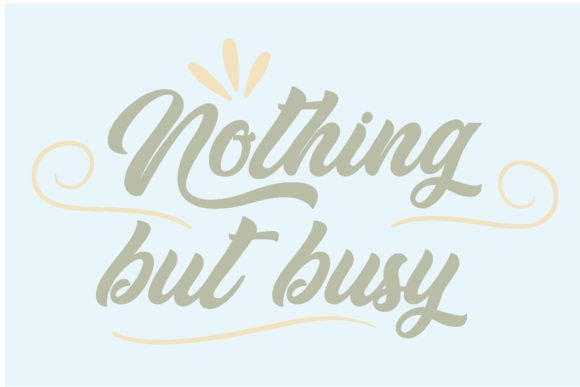
The phrase "Nothing But Busy" carries a specific energy. It speaks to the modern maker, the overwhelmed parent, or the entrepreneur juggling multiple projects. Visually, the design relies on strong typography and balanced spacing. As an illustration, it holds its own, but as a machine embroidery design, the layout is critical. The text needs to be legible without becoming a dense block of thread that puckers the fabric.
In my review, I looked closely at the letterforms. Are there tight corners that might cause thread breaks? Is the spacing sufficient to allow the fabric to breathe between stitches? For a quote-based design, clarity is king. If the customer cannot read it from three feet away, the design fails its primary purpose. This particular design seems to prioritize readability, which is a strong starting point for any embroidery project intended for commercial sale.
Real-World Application: The Tote Bag Test
To truly evaluate Nothing but Busy Quote Design, I imagined applying it to a heavy canvas tote bag. This is a staple item for many small shop products. Canvas is forgiving, but it is also thick. A design with poor density settings can look sparse or, conversely, create a stiff, cardboard-like patch on the fabric.
If I were stitching this for a client, I would consider using a combination of satin stitch for smaller accent elements and a well-programmed fill stitch for the main body of the letters. The goal is to maintain the fluidity of the quote while ensuring durability. Tote bags are washed, tossed, and overloaded. The finished product must withstand this wear. If the stitch density is too low, the background fabric will show through, ruining the professional look. If it is too high, the bag becomes unwieldy.
Versatility Across Product Lines
Beyond tote bags, this design has significant potential in other areas. Consider sweatshirt embroidery. A chest-left placement of this quote could appeal to students or busy professionals. However, fleece and cotton blends behave differently than canvas. Here, the flexibility of the design file matters. Since the product description mentions receiving files in AI and EPS formats, this suggests the asset is primarily vector-based graphics rather than native machine embroidery formats like PES or DST.
This distinction is vital. As an experienced reviewer, I must clarify that AI and EPS files are design assets used for creating mockups, printing, or manual digitizing. They are not ready-to-stitch digital embroidery files unless you have specialized software to convert them, which often yields poor results compared to professionally digitized files. If you are an Etsy seller planning to sell physical embroidered goods, you will need to ensure you have the correct machine-compatible file or hire a digitizer to convert this graphic properly.
Technical Considerations for Stitching
When working with quote designs, tiny details are the enemy. Serifs and thin lines can easily get lost or cause needle breaks. Before committing to a final handmade product, always test the design on scrap fabric. Check the thread colors against your background. High contrast works best for readability. A dark thread on a dark fabric will render the quote invisible, defeating the purpose of the message.
Pay attention to stabilizer choice. For stretchy fabrics like t-shirts or baby clothes, a cut-away stabilizer is non-negotiable to prevent distortion. For woven fabrics like aprons or pillow covers, a tear-away might suffice, but only if the stitch density is moderate. Always confirm the hoop size required. If the quote is long, it may require a larger hoop, which limits the types of machines that can run it.
Where to Use Caution
While Nothing but Busy Quote Design is versatile, it is not suitable for every surface. Avoid using it on textured fabrics like terry cloth towels unless you use a water-soluble topping. The texture will interfere with the stitch formation, making the letters look jagged. Similarly, be cautious with curved surfaces like caps. The distortion inherent in cap embroidery can warp text, making it difficult to read. In such cases, simplifying the design or reducing the size might be necessary.
Also, consider the washing instructions. Items that undergo frequent hot washing, such as kitchen towels or baby items, require secure stitching. Ensure that any jump stitches are trimmed and that the start and end points are locked securely. A loose thread can unravel the entire quote after a few cycles.
Commercial Value and Brand Consistency
For craft business owners, consistency is key. Using a cohesive set of Illustrations and Graphics helps build brand recognition. If this quote fits your brand’s voice—perhaps humorous, relatable, or motivational—it can become a signature item. Customers trust professionalism. A cleanly stitched, well-placed quote signals quality. It enhances the perceived value of the personalized gift or custom apparel.
When listing this on platforms like Etsy, use high-quality printable mockups to show the design in context. Show it on a tote, a shirt, and a pillow. This helps buyers visualize the custom apparel or home decor item in their own lives. Remember, you are selling a feeling of organization amidst chaos, wrapped in a tangible, high-quality product.
Final Verdict for Designers
Nothing but Busy Quote Design offers a strong conceptual foundation for various creative projects. Its strength lies in its relatability and clear typographic structure. However, the provided file formats (AI and EPS) indicate that this is a graphic resource. For machine embroidery, you must either digitize it yourself or ensure you are purchasing the correct stitch files separately.
Always verify licensing terms before selling commercial embroidery items. Ensure you have the right to use the design for profit. Test thoroughly on different fabrics, adjust your tension and stabilizer, and prioritize readability. With careful execution, this design can elevate your small shop product lineup and resonate with customers who appreciate both humor and craftsmanship.