Reviewing Mommy to Be for Real Embroidery Projects
As a designer who has spent years translating digital files into tangible stitched goods, I approach every new asset with a critical eye. The market is flooded with generic Graphics, but finding a design that translates well from screen to fabric requires a different set of instincts. Recently, I evaluated the Mommy to Be design, a file marketed as an inspirational quote suitable for Cricut and other cutting machines. While the listing highlights formats like SVG, EPS, DXF, and PNG, my job is to determine if this specific aesthetic holds up when converted into a high-quality machine embroidery design.
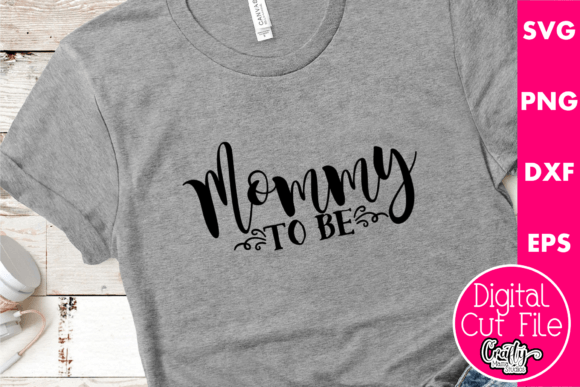
The first impression of Mommy to Be is one of warmth and anticipation. The typography and layout suggest a soft, welcoming vibe, perfect for celebrating new motherhood. However, in the world of embroidery, visual appeal on a monitor does not guarantee success under the needle. When I opened the vector file to trace it for stitching, I immediately began assessing the line weights and curve complexity. For a personalized gift or a boutique item, the emotional resonance of the phrase is strong, but the technical execution will define its longevity.
Visual Personality and Project Suitability
This design naturally belongs in the realm of sentimental apparel and home decor. It screams "baby shower" or "new mom celebration." If I were preparing a custom embroidered tote bag for a client expecting her first child, Mommy to Be would be a top contender. The layout appears balanced enough to sit comfortably on the front panel of a canvas tote without overwhelming the surface area. Similarly, for a sweatshirt, the design offers a focal point that works well with a simple fill stitch background or a clean satin border.
However, the transition from a flat digital graphic to a textured finished product requires careful planning. The curves in the lettering are smooth, which is excellent for preventing jagged edges in the final embroidered patch. Yet, the spacing between letters is tight in some areas. In a standard T-Shirt Designs context, this could lead to thread bunching if the stitch density is not adjusted correctly during digitizing. A professional craft business owner knows that clarity is king; if the text becomes illegible after washing, the customer's trust in the brand diminishes.
Navigating Fabric Challenges and Placement
Real-world application is where designs are truly tested. Imagine placing Mommy to Be on a stretchy knit fabric for a baby onesie. This is a common request for baby embroidery, but it poses significant risks. Stretchy fabrics can distort the design, making the letters appear wavy or uneven. To mitigate this, a heavy-duty stabilizer is non-negotiable. Without it, the tension from the machine could pull the threads, causing puckering that ruins the softness of the garment.
Texture also plays a crucial role. On a thick fleece hoodie, the thread colors need to pop against the pile. A light pastel thread might get lost in the loops of the fabric, whereas a bold contrast color would ensure the message stands out. Conversely, on a fine cotton kitchen towel or pillow cover, the texture is smoother, allowing for finer details. Here, the design could benefit from a delicate running stitch outline to add definition without adding bulk.
I must advise caution when considering small hoop sizes. If you attempt to fit Mommy to Be into a 4x4 inch hoop for a cap or a small pocket placement, the lettering may become too dense. Tiny lettering often suffers from "thread bridging," where the fill stitches do not connect properly, leaving gaps. For caps or curved surfaces, the design needs to be simplified or resized to maintain integrity. Always test the design on scrap fabric first to see how the machine handles the curves and corners.
Technical Considerations for Professional Results
Before committing to a commercial run, every Etsy seller and small shop owner should perform a rigorous quality check. Start by reviewing the digital embroidery file in your software. Check the node count; excessive nodes can cause the machine to slow down and create unnecessary thread breaks. Adjust the stitch density to ensure the fabric breathes while maintaining coverage. For dark fabrics, a backing layer of white satin stitch or a lighter fill might be necessary to make the text readable.
Color selection is another critical factor. The Mommy to Be design works best with soft, nurturing tones, but the choice depends entirely on the base material. Test the design in black and white mockups first to judge the contrast. Does the text stand out? Is the hierarchy clear? These visual checks prevent costly mistakes before you even thread the machine.
Licensing is a silent killer for many creative entrepreneurs. While the product description mentions various file formats like SVG and PNG, these are primarily for cutting machines. Using them for embroidery requires conversion or a specific embroidery file format (such as PES, DST, or JEF). Ensure you have the rights to use the design for commercial embroidery projects. Selling items made with unlicensed assets can lead to legal trouble and damage your reputation. Always confirm whether the license covers handmade products sold at craft fairs or online shops.
Maximizing Value and Customer Appeal
When executed correctly, Mommy to Be adds significant value to a small shop product. It transforms a plain garment into a meaningful keepsake. Customers buying these items are often looking for emotional connection, not just a logo. The design's simplicity allows it to blend seamlessly with other elements, such as floral motifs or baby-related icons, creating a cohesive brand consistency.
For holiday gifts or wedding favors, this design offers versatility. It can be adapted for aprons, blankets, or nursery decor. The key is to treat the design as a living element that interacts with the fabric. A well-stitched version of Mommy to Be signals professionalism and care. It tells the buyer that the maker understands the nuances of textile art.
In conclusion, while Mommy to Be starts as a digital graphic, its potential lies in how skillfully it is translated into thread. By paying attention to hoop size, fabric type, and stabilizer choice, designers can turn this inspirational quote into a standout piece. Whether for a personal project or a commercial embroidery venture, the focus must remain on quality and durability. With the right preparation, this design can become a staple in any craft business portfolio, delivering joy and lasting memories to new mothers everywhere.